
Off-Grid Tiny Homes: Best Floor Plans Under 400 Sq Ft (2026 Update)
Hands-on 2026 guide to the best off-grid tiny home floor plans under 400 sq ft: lofted trailers, ground-level opens, A-frames & more. Real layouts, off-grid adaptations, costs & tips for true independence.
SHELTER & BUILDING
Live Off The Grid Contributor
4 min read
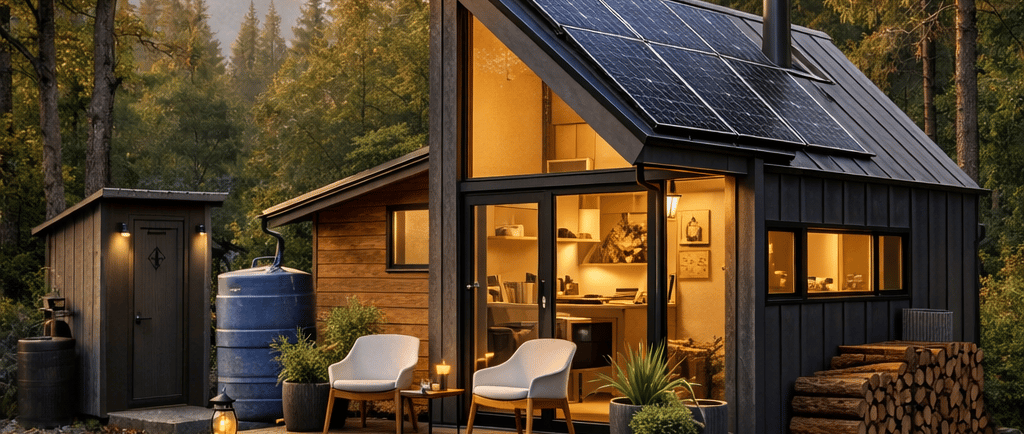
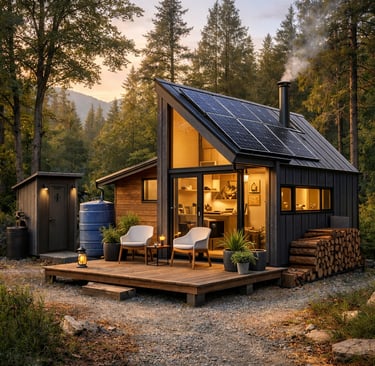
I've spent years chasing that dream of a simple, self-reliant life—far from skyrocketing rents, HOA rules, and utility bills that never seem to shrink. For me, the turning point came when I realized I didn't need 2,000 square feet to feel at home. What I needed was smart design, durability, and systems that let me live comfortably without being tethered to the grid.
That's where tiny homes under 400 square feet shine for off-grid living. These aren't just cute little boxes; they're engineered for real independence: room for solar batteries, composting toilets, water tanks, propane storage, and efficient layouts that maximize every inch. In 2026, with better insulation materials, more affordable solar tech, and refined prefab options, building or buying one of these has never been more practical.
I've pored over countless plans, talked to folks who've lived in them for years (some on Reddit threads going back a decade), visited builds, and even mocked up a few layouts myself. The truth? Not every "tiny house" plan works off-grid. You need space for utilities, good thermal performance, and layouts that feel livable when you're stuck inside during bad weather.
In this deep-dive guide, I'll share the best floor plans under 400 sq ft that actually perform off-grid. I'll break down why they work, real-world pros/cons from people who've done it, key off-grid adaptations, rough costs in 2026 dollars, and tips to avoid common regrets. (Quick note: Some links are affiliate—buying through them helps support the site at no extra cost to you. I only link stuff I've researched or seen used successfully.)
Why Under 400 Sq Ft for Off-Grid?
First, let's talk size. Anything over 400 sq ft starts pushing into "small house" territory, which means more materials, higher heating/cooling demands, and bigger solar arrays to power it. Under 400 keeps things lean:
- Lower build costs — typically $30,000–$80,000 total (DIY) vs. $100k+ for larger.
- Easier off-grid power — A 2–4 kW solar setup + 10–20 kWh batteries handles lights, fridge, fans, and small appliances without breaking the bank.
- Simpler water/waste — Composting toilet, 50–100 gal tanks, greywater systems fit easily.
- Mobility option — Many are trailer-based for land scouting or relocation.
- Psychological win — Smaller forces intentional living—no room for junk.
Downsides? You have to be disciplined with storage and clutter. Couples do fine; families usually need 500+ sq ft. Solo or duo? 250–380 sq ft is sweet spot.
Key Features to Look for in Off-Grid Tiny Home Plans
Before diving into specific plans, here's what separates good from great for off-grid:
- Loft vs. no-loft — Lofts save floor space but can be hot in summer, hard for older folks.
- Utility zones — Dedicated spots for batteries, inverters, propane, water filtration.
- Insulation & windows — R-30+ walls/ceiling, double/triple-pane, south-facing for passive solar.
- Ventilation — Roof vents, cross-breeze windows, fans (solar-powered).
- Bathroom placement — Near plumbing runs; space for composting toilet + shower.
- Kitchen efficiency — Propane stove, 12V fridge, minimal cabinets.
- Storage — Under-stair drawers, built-ins, Murphy furniture.
Top 10 Off-Grid-Friendly Floor Plans Under 400 Sq Ft (2026 Picks)
These are real, popular layouts (or close adaptations) that people actually live in off-grid. I've prioritized ones with proven track records, good headroom, and easy utility integration.
1. The Classic 28–32 ft Trailer Loft (≈320–380 sq ft)
The gold standard for off-grid tiny homes on wheels.
- Layout: Main floor kitchen/living/bathroom; sleeping loft above.
- Why off-grid perfect: Trailer base allows mobility; under-floor space for tanks/batteries; loft keeps bedroom separate.
- Real example: Many Tumbleweed-inspired builds (like the Cypress or Elm) have been converted off-grid with solar roofs. Folks report 5+ years living with 2–3 kW solar and composting toilet.
- Pros: Feels spacious downstairs; trailer mobility.
- Cons: Loft access (stairs/ladder); heat rises.
- Cost estimate: $40k–$70k DIY; $80k+ turnkey.
2. Ground-Level One-Bedroom Open Plan (≈350–400 sq ft)
No loft—everything on one level.
- Layout: Open living/kitchen, separate bedroom, full bath.
- Off-grid adaptations: Place bedroom at one end, utilities/bath at other; large windows for light.
- Popular sources: Houseplans.com 400 sq ft collection or Monster House Plans tiny series.
- Real feedback: Reddit users love this for aging in place or accessibility; one couple in a 384 sq ft slab build said it's "cozy but never cramped" with good insulation.
- Pros: Easy movement; better for families or guests.
- Cons: Less separation; feels smaller without vertical space.
- Cost: $35k–$65k (foundation vs. trailer).
3. A-Frame Cabin Style (≈280–380 sq ft)
Steep roof for snow shedding; great passive heating.
- Layout: Triangular footprint, loft bedroom, open main level.
- Off-grid perks: High ceiling for stack ventilation; easy solar panel mounting on roof.
- Examples: Many DIY A-frames on permies.com forums or TinyHousePlans.com adaptations. (these are NOT affiliate links)
- Pros: Iconic look; excellent insulation potential.
- Cons: Sloped walls reduce usable space.
- Cost: $30k–$55k (simple materials).
4. Container-Inspired Rectangular (≈320 sq ft)
Shipping container mods or rectangular tiny homes.
- Layout: Long, narrow open plan with end bedroom/bath.
- Off-grid: Metal shell durable; easy to insulate spray foam; flat roof for solar/rain collection.
- Real builds: Greenmoxie or custom container tiny houses under 400 sq ft.
- Pros: Fast build; tough exterior.
- Cons: Can feel tunnel-like without good windows.
- Cost: $25k–$60k (container base cheap).
5. V-House or Modern Wedge (≈380 sq ft)
Larger trailer-based with angled roof.
- Layout: Main floor bedroom + loft guest; open kitchen/living.
- Off-grid: Uncharted Tiny Homes examples with solar-ready roofs.
- Pros: More interior volume; modern aesthetic.
- Cons: Complex framing.
- Cost: $60k–$90k.
6–10 Quick Hits:
- Murphy Bed Studio (≈300 sq ft) — Folds bed away for daytime space.
- Two-Loft Design (≈360 sq ft) — Guest loft + master loft.
- Porch-Extended Cabin (≈380 sq ft) — Outdoor living adds "space".
- No-Loft Efficiency (≈340 sq ft) — Compact kitchen + bath.
- Eco-Shed Conversion (≈280 sq ft) — Simple, low-cost starting point.
Off-Grid Systems Integration Tips
- Power — 2–5 kW solar + lithium batteries (EcoFlow or Renogy kits—affiliate links available).
- Water — 50–200 gal tanks; rainwater roof collection.
- Waste — Nature's Head composting toilet (popular choice).
- Heat — Wood stove + propane backup.
- Insulation — Spray foam or rigid board for R-value.
Real Costs in 2026
- DIY shell + off-grid basics: $30k–$60k
- Turnkey prefab: $60k–$120k
- Land + permits: Varies wildly ($5k–$50k+)
Common Mistakes & Lessons Learned
- Underestimating storage needs.
- Skipping good ventilation.
- Ignoring local codes (even off-grid).
- Overbuilding utilities early.
Final Thoughts
A tiny home under 400 sq ft isn't just shelter—it's freedom. Pick a plan that matches your lifestyle, integrate off-grid systems thoughtfully, and you'll have a cozy, independent base that costs pennies to run.
Which layout calls to you most? Let us know!