Off-Grid Living Laws and Regulations: What You Need to Know in 2026
Comprehensive 2026 guide to off-grid living laws: federal baselines, most permissive & restrictive states, zoning, sewage, water rights, building codes & permit tips for legal self-sufficient living across the U.S.
LEGAL & FINANCIAL
Live Off The Grid Contributor
5 min read
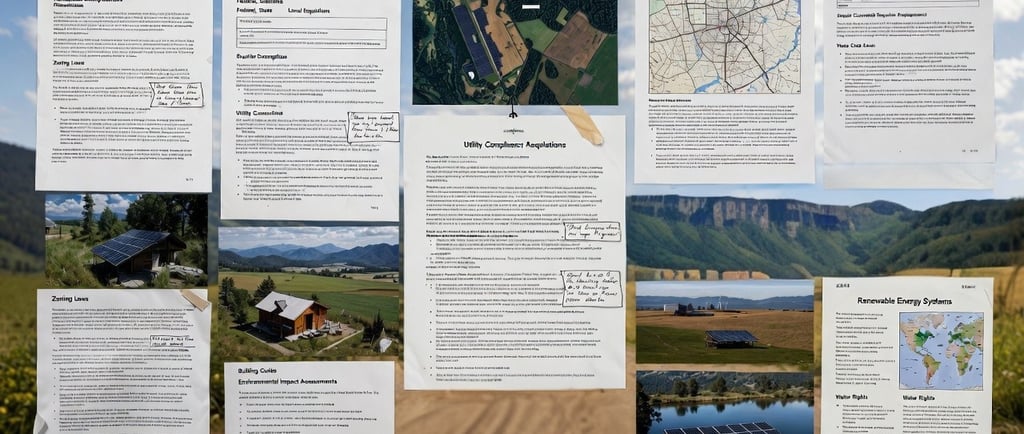
When I first started planning to live off-grid, I assumed the biggest challenges would be technical—solar arrays, water systems, waste management. Turns out the real obstacles are often legal. Regulations can turn a dream of independence into a costly, frustrating fight with permits, inspections, and forced utility connections. Off-grid living is not illegal anywhere in the United States, but it is heavily regulated at the federal, state, county, and sometimes municipal level. Ignore the rules and you risk fines, forced demolitions, or being compelled to connect to the grid. Get them right, and you can build the self-reliant life you want without constant interference.
This guide breaks down the current landscape of off-grid laws in 2026, based on state statutes, county ordinances, recent legislative changes, and real experiences from homesteaders across the country. We’ll cover federal baselines, the most permissive and restrictive states, common legal hurdles (zoning, sewage, water rights, building codes, electricity), how to navigate permits, and practical strategies to stay compliant while maximizing freedom. The goal is to give you a clear roadmap so you can focus on building rather than battling bureaucracy.
Federal Baseline: What the U.S. Government Requires (and Doesn’t)
At the federal level, off-grid living is largely hands-off. There is no nationwide mandate to connect to the electric grid, no federal prohibition on rainwater harvesting, and no blanket ban on composting toilets or alternative building methods.
Key federal touchpoints:
- Building Codes — The International Residential Code (IRC) provides the foundation for most state codes. Off-grid homes must meet structural, fire-safety, electrical (even if solar-powered), and plumbing standards. Alternative systems (composting toilets, greywater, solar) are allowed if they meet certification standards (e.g., NSF/ANSI 41 for composting toilets).
- Water Rights — The Clean Water Act prohibits polluting waterways. Western states operate under “prior appropriation” doctrine (first in time, first in right), while eastern states follow riparian rights. Large-scale water extraction may require permits.
- Sewage and Waste — The EPA requires safe disposal of human waste. Composting, incinerating, and septic systems are allowed if they meet health and environmental standards. Open-pit latrines are illegal.
- Energy — No federal requirement to connect to the grid. If you sell excess solar power back (net metering), Federal Energy Regulatory Commission (FERC) rules apply.
- Land Use — Bureau of Land Management (BLM) and U.S. Forest Service land have strict short-term camping limits (usually 14 days). Long-term off-grid living requires private property.
Federal incentives have improved by 2026: The Inflation Reduction Act (extended in 2025) still offers 30% tax credits for solar, battery storage, and certain off-grid water systems. Some states have added matching grants or homestead exemptions.
Best States for Off-Grid Living in 2026: Maximum Freedom
These states consistently rank highest for off-grid friendliness based on permissive zoning, low property taxes, abundant land, reasonable water rights, and minimal utility mandates.
1. Alaska — The gold standard for remote freedom. No statewide building code enforcement in many areas, rainwater harvesting fully legal, composting toilets widely accepted. Pros: Vast land, abundant resources. Cons: Extreme winters, high transport costs.
2. Montana — Rural counties rarely enforce codes. Off-grid sewage allowed with basic health permits. Strong solar and wind potential. Pros: Affordable land, low population density. Cons: Fire risk, cold winters.
3. Idaho — Many rural counties waive codes for structures under 400 sq ft. Alternative dwelling permits available. Pros: Fertile land in some regions. Cons: Water rights can be competitive in dry areas.
4. Wyoming — Low population, low regulations. No state income tax, permissive zoning outside cities. Pros: Excellent solar/wind resources. Cons: Windy, harsh winters.
5. Nevada — Rural counties are very friendly. Rainwater harvesting encouraged. Pros: Cheap desert land, abundant sun. Cons: Water scarcity requires deep wells.
6. Texas — Highly variable by county. Many rural areas have no building codes and allow off-grid sewage alternatives. Pros: No state income tax. Cons: Hurricanes in east, heat/drought in west.
7. Arizona — Off-grid is common in rural counties. Solar incentives generous. Pros: Year-round sun. Cons: Extreme heat, water restrictions.
8. Oregon — East side drier and more permissive; west side wetter but still viable in rural counties. Pros: Fertile soil. Cons: Wildfire risk.
9. Missouri — Ozarks region is especially friendly. No statewide building code enforcement in rural areas. Pros: Very affordable land. Cons: High humidity, ticks.
10. Tennessee — Rural Appalachian counties allow off-grid with minimal oversight. Pros: Mild climate. Cons: Flooding risk in some areas.
Most Restrictive States for Off-Grid Living in 2026
These states impose the heaviest burdens: strict building codes, mandatory utility connections, high taxes, dense populations, or environmental restrictions.
1. California — Statewide codes often require grid tie-ins in populated areas. Off-grid requires variances. Pros: Excellent climate in some regions. Cons: High land costs, wildfire risk, heavy regulations.
2. New York — Strict energy and building codes; off-grid difficult in most areas. Pros: Water access. Cons: Cold winters, high taxes.
3. New Jersey — Dense population, heavy regulations, utility connections frequently required. Pros: None significant for remote living. Cons: High density.
4. Massachusetts — Strict building and energy codes; off-grid needs special permits. Pros: Historic charm. Cons: Cold, high population density.
5. Connecticut — High-density, strict regulations. Off-grid almost impossible in practice. Pros: Water access. Cons: High taxes, dense population.
Other challenging states include Illinois, Maryland, Rhode Island, and Hawaii (high costs, strict codes, isolation challenges).
Common Legal Hurdles and How to Navigate Them
1. Zoning Laws — Determine allowable uses (residential, agricultural, etc.). Rural/agricultural zones are best. Solution: Check county GIS maps and planning department websites.
2. Building Permits — Required for most structures over 100–200 sq ft. Off-grid homes must meet structural, electrical, and plumbing codes. Solution: Hire a local engineer for stamped plans (~$1,000–$3,000).
3. Water Rights — Rainwater harvesting legal in most states; wells require permits in many. Western states have stricter prior appropriation rules. Solution: Contact local water management districts early.
4. Sewage and Waste — Composting toilets legal if NSF/ANSI certified and permitted. Greywater systems allowed in many places. Solution: Get health department approval and use certified equipment.
5. Utility Mandates — Some counties require grid connection. Solution: Choose land outside utility districts or areas with exemptions.
6. Environmental Regulations — Wetlands, endangered species, flood zones require surveys. Solution: Hire environmental consultant (~$2,000–$5,000).
Step-by-Step: How to Research and Stay Compliant in Your Area
1. Identify target counties — Use tools like LandWatch or Zillow filters for rural/agricultural land.
2. Check zoning — Call county planning department or use online GIS maps.
3. Review building codes — Download local code adoption from county website.
4. Contact health department — Ask about composting toilets and septic alternatives.
5. Research water rights — Contact state water board or local district.
6. Consult professionals — Land use attorney or off-grid consultant
7. Apply for permits early — Submit plans for building, septic, well, solar.
8. Appeal denials — Many succeed with environmental or self-sufficiency arguments.
Future Trends in Off-Grid Regulations (Looking Ahead)
By 2026, climate migration and energy independence movements are pushing more states toward incentives: solar tax credits, homestead exemptions, and relaxed zoning for sustainable builds. Expect continued tension between urban growth (stricter rules) and rural freedom (more permissive).
Final Thoughts
Off-grid living is legal in every state, but compliance varies dramatically. Choose land wisely, research thoroughly, and build within the rules—or at least know exactly where the lines are. The freedom is worth the homework.
Have you run into any specific legal roadblocks in your area? Share your experience —I’d love to hear how others are navigating the system.