Off-Grid Lighting Guide: LED, Solar Lanterns, and Kerosene Alternatives Compared (2026 Update)
In-depth 2026 off-grid lighting guide: compares 12V LEDs, solar lanterns, propane/kerosene, and candles. Real performance, power math, costs, safety & my current cabin setup for bright, reliable nights without grid power.
DAILY LIFE & COMFORT
Live Off The Grid Contributor
5 min read
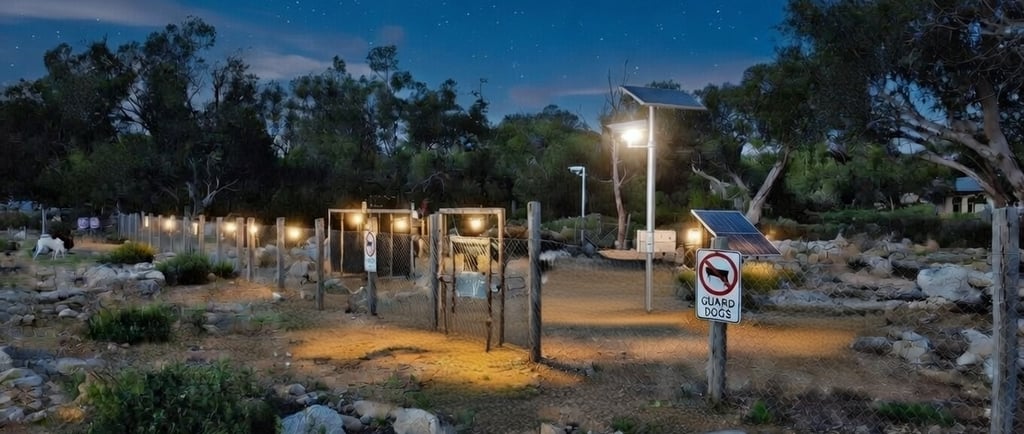
I still remember my first winter off-grid like it was yesterday. The sun dropped behind the trees around 5 p.m., the temperature started plunging, and suddenly the cabin felt a whole lot smaller and darker than it had twelve hours earlier. I had one cheap LED headlamp, a couple of candles, and a half-dead flashlight. By 7 p.m. I was already fumbling around, bumping into furniture, and wondering why nobody ever talks about how much good lighting actually matters when you’re completely responsible for your own power.
Lighting isn’t just about seeing. It’s about safety (avoiding trips over tools or stepping on nails), productivity (reading, repairing gear, cooking after dark), mental health (fighting off cabin fever when the days are short), and even security (making the place look occupied from a distance). Off-grid folks quickly learn that bad lighting turns a cozy evening into a frustrating ordeal.
After years of trial, error, blown bulbs, dead batteries, spilled kerosene, and a few near-misses with open flames, I’ve tested just about every lighting option that makes sense for serious off-grid living. This guide is the result: a brutally honest comparison of the major categories that actually work long-term in 2026—LED systems (both 12V and rechargeable), dedicated solar lanterns, propane/kerosene lanterns, candles (yes, I still use them), and a few hybrid/emergency options.
I’ll cover real-world performance, power consumption, lifespan, upfront and lifetime costs, safety trade-offs, maintenance realities, and my current mix that keeps the cabin bright without draining batteries or setting anything on fire. (Quick disclosure: Some product links are affiliate—purchasing through them helps support the site at no extra cost to you. I only recommend gear I’ve personally used for months or years in real off-grid conditions.)
Why Lighting Choices Matter More Off-Grid Than You Think
On-grid, lighting is an afterthought. Flip a switch, pay the bill, done. Off-grid, every lumen costs you something:
- Watt-hours from your battery bank
- Solar panel real estate
- Charging time
- Replacement cost
- Physical weight (if portable)
- Fire risk
- Maintenance time
A single 100W incandescent bulb left on for 5 hours would eat 500Wh—enough to run a small fridge for a full day on many setups. That’s why most off-gridders quickly move to LEDs (5–15 lumens per watt vs. 1–2 for incandescents) and learn to think in terms of lumens-per-watt-hour instead of just brightness.
The four main questions I ask when evaluating any off-grid light source:
1. How many useful lumens per watt-hour?
2. How long does it last before needing replacement or recharging?
3. Is it reliable in extreme cold, heat, humidity, or after sitting unused for months?
4. What happens when everything else fails (power, fuel, batteries)?
Let’s break down the major categories one by one with current 2026 options.
1. 12V LED Systems (The Core of Most Serious Setups)
Once you have a battery bank and inverter (or direct DC wiring), 12V LED lighting becomes the most efficient and convenient option for fixed locations: main rooms, kitchen, workshop, porch, barn.
Why 12V DC LEDs Win
- Extremely high efficiency (100–180 lumens/watt)
- No inverter losses (10–20% savings vs. 120V AC LEDs)
- Run directly off batteries during low sun
- Extremely long lifespan (30,000–100,000 hours)
- Dimmable and color-temperature adjustable
- Instant on, no warm-up
- Very low heat output
Best 12V LED Fixtures Right Now (2026)
- Barrina T5 LED Shop Lights (4-ft, 40W equivalent, 5500 lumens)
Best bang-for-buck for workshops, barns, garages.
- Specs: 6500K daylight, linkable up to 8 units, 40W draw for 5000 lumens (~125 lm/W).
- Pros: Dirt cheap (~$35–$45 each), bright, easy daisy-chain, 5-year warranty.
- Cons: Not dimmable, very cool color (can feel clinical).
- Real-world use: I have six in the shop—bright enough to work on engines at night, low enough draw that I can leave them on for hours without guilt.
- Lepro 12V LED Strip Lights (16.4 ft, 3000–6500K)
Perfect for under cabinets, along stairs, accent lighting.
- Pros: Cuttable, dimmable with PWM controller, very low draw (24W for full strip).
- Cons: Adhesive fails over time in humidity—use screws.
- Nuwatt Lighting 12V Recessed Downlights
For nicer interiors.
Power Math Example
A typical 300 sq ft cabin with 4 Barrina T5s (160W total) used 4 hours/night = 640 Wh/night. With 200 Ah 12V lithium (2560 Wh usable), that’s only ~25% of daily capacity—very manageable on a 400–600W solar array.
Installation Tips
- Use 14–16 AWG wire for runs under 50 ft.
- Install a master DC breaker panel.
- Put lights on separate circuits (main room, bedroom, porch).
- Add dimmers (PWM or rotary) for mood and battery conservation.
2. Rechargeable Solar Lanterns & Portable Lights
When you need light away from the main system (porch, outhouse, barn, walking trails, emergencies), portable solar lanterns are unbeatable.
Top Performers in 2026
- Goal Zero Crush Light (40 lumens, 3 brightness levels)
- Pros: Collapsible, IPX4 waterproof, 3–35 hour runtime, charges phones, 5-year warranty.
- Cons: Not super bright (best for ambient light).
- LuminAID Max Quick Inflate Solar Lantern (150 lumens)
- Pros: Inflates to 5 liters for wide diffusion, 5–50 hour runtime, USB charging, rugged.
- Cons: Takes 2–3 days full solar charge in winter.
- BioLite AlpenGlow 500 (500 lumens, RGB)
- Pros: Beautiful color modes, 5–200 hour runtime, USB-C power bank, Bluetooth app control.
- Use case: Main cabin light when batteries are low.
Pro Tip: Buy 2–3 of the same model so parts are interchangeable and you always have spares.
3. Propane & Kerosene Lanterns (The Reliable Backup)
Even with solar, I keep propane and kerosene lanterns because they work when everything else fails: cloudy weeks, frozen panels, dead batteries.
Coleman Dual Fuel Lantern (Propane/White Gas)
- Pros: 1000+ lumens, adjustable, decades-long track record.
- Cons: Fuel smell, mantles fragile, needs ventilation.
Dietz #80 D-Lite Kerosene Lantern
- Pros: Classic, very durable, ~75 lumens, cheap fuel.
- Cons: Low light, sooty, needs wick trimming.
Safety Reality
Use carbon monoxide detectors near any combustion light source. Never sleep with them burning.
4. Candles & Oil Lamps (Last Resort & Ambiance)
I still burn candles and oil lamps occasionally. They’re romantic, zero-tech, and surprisingly useful.
Best Oil Lamp: Feuerhand Baby Special 276
- Pros: Windproof, 8–10 hour runtime per fill, adjustable wick.
- Cons: Slow to light, needs kerosene.
Candle Recommendation: 100% beeswax pillars (long burn, no soot).
Rule: One candle per room max, never unattended.
Current Lighting Setup in My Cabin (2026)
- Main room: 4 Barrina T5s on dimmer
- Kitchen: 2 under-cabinet strips + LuminAID
- Bedroom: AlpenGlow 500
- Porch/Barn: Goal Zero Crush + solar motion flood
- Emergency: 2 Coleman lanterns + 12 candles
- Total daily draw: ~600–800 Wh
- Backup fuel: 5 gal propane, 2 gal kerosene
Costs, Lifespan, and Long-Term Math
Upfront Cost Ranges
- Basic (lanterns + candles): $100–$200
- Solid portable solar setup: $200–$400
- Full 12V LED system: $300–$800
- Luxury hybrid: $1,000+
Lifespan & Replacement
- LED fixtures: 10–20 years
- Solar lanterns: 5–10 years
- Kerosene lanterns: 20+ years (wicks/mantles cheap)
- Propane mantles: 6–18 months
Power Efficiency Winner
12V LEDs by a huge margin, followed by high-efficiency solar lanterns.
Most Reliable in Extreme Conditions
Coleman Dual Fuel + kerosene lanterns (zero electronics).
Common Mistakes & Lessons Learned
- Buying cheap 120V LEDs (inverter waste).
- Relying only on solar lanterns (cloudy stretches kill them).
- No redundancy (single point of failure).
- Poor placement (shadows, glare).
- Ignoring dimming (wastes power).
The Mental Side of Good Off-Grid Lighting
Good lighting keeps depression at bay during long winters. Bright, even light makes the cabin feel bigger and safer. Dim, flickering light does the opposite.
Final Thoughts
Your off-grid lighting system should be layered:
1. Efficient 12V LEDs for daily use
2. Quality rechargeable solar lanterns for portability
3. Combustion backups for total power failure
4. A few candles for romance and last resort
Get this right and nights become enjoyable instead of something to endure.
What’s your current lighting mix? —I’m always curious how other folks are doing it.
Stay lit out there.