Best Off-Grid Solar Panels for Reliable Year-Round Power (2026 Update)
Hands-on 2026 guide to the best off-grid solar panels: ranks Maxeon 7 (top efficiency), REC Alpha Pure (heat champ), Renogy (best value). Covers monocrystalline advantages, key factors, & practical picks for any setup.
POWER & ENERGY
Live Off The Grid Contributor
4 min read
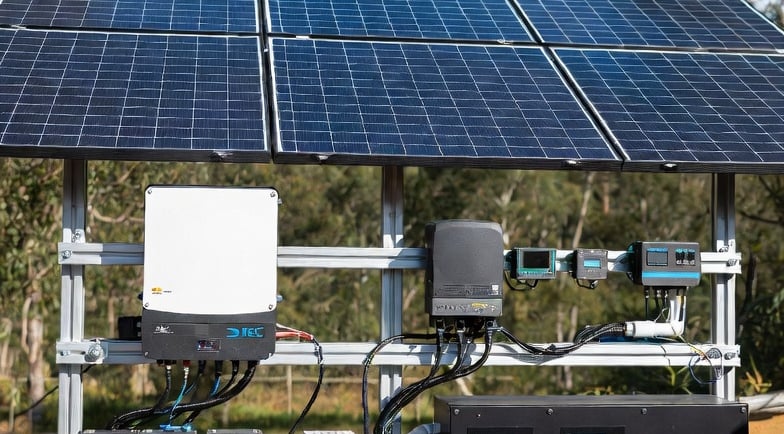
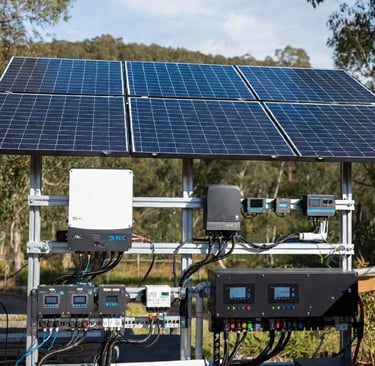
I've spent the last few years deep in off-grid living, messing around with different setups, watching panels fry in the heat, underperform in the shade, or just flat-out quit after a couple of seasons. If you're reading this, you're probably in the same boat — tired of unreliable power and ready to invest in something that actually works when the grid is a distant memory.
The truth is, not all solar panels are created equal for off-grid use. You need panels that pump out serious watts consistently, handle temperature swings without massive drops, survive wind, rain, hail, and dust, and come with warranties that mean something when things go south. Efficiency matters a ton because off-grid folks usually have limited roof or ground space — you want maximum power per square foot.
In 2026, the landscape has shifted toward high-efficiency monocrystalline panels with advanced tech like N-type cells, TOPCon, and back-contact designs. These crush the old polycrystalline days (which are basically dead now) and thin-film options (great for flexibility but lousy efficiency for serious power needs).
After digging through real-world tests, user feedback from off-grid forums, and the latest manufacturer specs, here are my top picks for the best off-grid solar panels right now. I'll break down why they stand out, real pros/cons, and where they fit in your setup. (Full disclosure: Some links below are affiliate links — if you buy through them, I earn a small commission at no extra cost to you. I only recommend stuff I'd use myself.)
Why Monocrystalline Rules for Off-Grid in 2026
Let's get this out of the way first: Skip polycrystalline and thin-film for full-time off-grid unless you're on a super-tight budget or need something ultra-flexible for a curved surface.
- Monocrystalline panels — made from single-crystal silicon — hit efficiencies of 20-23%+ these days. That means more power from less space, which is gold when you're trying to keep your batteries topped off.
- They perform better in low light (cloudy days, dawn/dusk) and have lower temperature coefficients (they lose less output when hot).
- Durability is top-notch: Tempered glass, corrosion-resistant aluminum frames, and IP67/IP68 ratings handle harsh weather.
Polycrystalline? Efficiency tops out around 17-18%, needs more space, and degrades faster in heat. Thin-film? Lightweight and flexible, but efficiencies hover 10-15% — you'll need way more panels (and space) for the same output.
For off-grid, monocrystalline is the clear winner in 2026.
My Top 10 Picks for Off-Grid Solar Panels (2026)
These are based on efficiency, real-world output, durability, warranties, and value. I prioritized panels that shine in variable conditions — because off-grid life isn't always sunny and 75 degrees.
1. Maxeon 7 (or Maxeon 6 440W series) — The Efficiency King
If money isn't the main issue and you want the absolute best performance, Maxeon panels are unbeatable.
- Efficiency: Up to 22.8%
- Power output: 440W per panel
- Temperature coefficient: -0.29%/°C (excellent heat tolerance)
- Warranties: 40-year product + 40-year performance (88.3% at year 40)
Pros: Highest power density (more watts per square foot), incredible longevity, performs great in partial shade and heat. Back-contact tech means no front busbars blocking light.
Cons: Premium price (around $2.80-3.00/watt).
Best for: Serious off-grid homes or cabins where space is limited and you want minimal panels for max output. These things last forever — think generational off-grid setup.
(We do not have a link for this product yet, but we are working on it)
2. REC Alpha Pure (410W) — Best Heat Performer
REC has been killing it for off-grid folks who deal with hot summers.
- Efficiency: 22.2%
- Temp coefficient: -0.26%/°C (one of the lowest — loses way less power when panels get toasty)
- Warranties: 25-year product + 25-year performance at 92%
Pros: Outstanding in high-heat/low-light, great value among premiums, proven durability in real-world tests.
Cons: Slightly lower peak efficiency than Maxeon.
Best for: Hot climates or areas with variable weather — your batteries stay charged longer on scorching days.
3. Renogy 550W+ Rigid Monocrystalline — Off-Grid Workhorse & Best Value
Renogy dominates the off-grid space for good reason — reliable, widely available, and budget-friendly without being junk.
- Efficiency: Around 21-22%
- Power: 550W models are beasts for ground mounts
- Durability: IP68 waterproof, anti-corrosive frames, handles wind/hail well
Pros: Affordable ($0.50-0.80/watt in bulk), easy MC4 connectors, massive community support, great for DIY expansions.
Cons: Not the absolute highest efficiency.
Best for: Beginners or large arrays — stack 10-20 of these and power a full homestead. I've seen Renogy setups run cabins for years with zero issues.
(Grab a kit or singles Here — they often bundle with controllers.)
4. EcoFlow 400W Rigid/Portable — Versatile Hybrid Pick
If you want panels that double as portable for travel but mount permanently, EcoFlow nails it.
- Efficiency: 23%+ on some models
- IP68 waterproof, adjustable kickstands
Pros: Fast charging for power stations, durable in rain/dust, easy to angle for max sun.
Cons: Pricier per watt for portables.
Best for: Mixed use — homestead + van/RV adventures.
Check them out HERE.
5. Rich Solar MEGA Series (100-200W) — Budget-Friendly Starter
Great entry-level monocrystalline for small cabins or expansions.
- Efficiency: 20-22%
- 25-year output warranty
Pros: Cheap, reliable, UL certified, good low-light performance.
Cons: Smaller sizes mean more wiring for big systems.
Best for: Testing the waters or supplementing an existing array.
Shop for it HERE.
6-10 Quick Hits (Honorable Mentions):
- Canadian Solar TOPHiKu6 — High power (450W+), solid 30-year warranty. (Link)
- Jinko Tiger Neo — N-type cells for shade tolerance.
- Goal Zero Nomad Series — Portable kings for off-grid mobility. (Link)
- Newpowa/HQST 100-200W — Super affordable clones with solid real-world output (many off-gridders swear by them for value). (Link)
- Sungold or VSUN High-Wattage — Bifacial options for extra output from ground reflection. (Link)
How to Choose the Right Panels for Your Off-Grid Setup
- Calculate your needs — Figure daily kWh usage (fridge, lights, pumps, etc.), then add 20-50% buffer for cloudy days/winter.
- Space & Mounting — Limited roof? Go high-efficiency (Maxeon/REC). Ground mount? Bigger/cheaper panels (Renogy).
- Weather — Harsh conditions? Prioritize IP68 + low temp coefficient.
- Budget — Under $1/watt: Renogy/Rich/Newpowa. Premium: Maxeon/REC.
- Warranty & Support — Look for 25+ years performance at 85-90%+.
Final Thoughts
For most off-grid setups in 2026, I'd start with Renogy or Rich Solar for value, then upgrade to REC or Maxeon as you scale. The tech keeps getting better — efficiencies are climbing, prices dropping, and durability improving.
Whatever you pick, pair it with good MPPT controllers, lithium batteries, and a solid inverter. That's where the real magic happens.
Drop a comment if you've got a specific setup or budget — happy to help tweak recommendations. Stay powered out there.