
Best Composting Toilets for Full-Time Off-Grid Living (2026 Reviews)
In-depth 2026 reviews of the best composting toilets for full-time off-grid living: Nature's Head, Separett Villa, Sun-Mar & more. Real-user insights, pros/cons, maintenance, costs & picks for odor-free, hands-off waste solutions.
WASTE & SANITATION
Live Off The Grid Contributor
5 min read
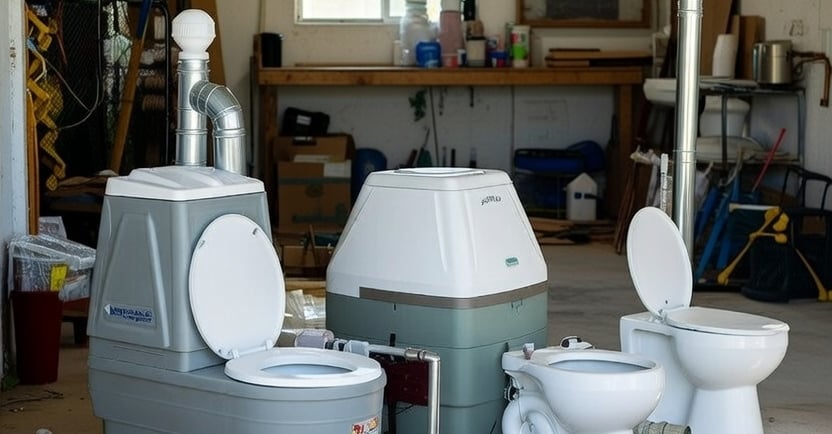
Living off-grid means making peace with some things most folks never think twice about—like where your waste goes when there's no sewer line, no septic tank, and no flush valve. After years of trial and error on my own setup (and hearing horror stories from other homesteaders about overflowing buckets, lingering smells, and endless shoveling), I can tell you straight: a good composting toilet is one of the smartest upgrades you can make for full-time self-reliant living.
These systems aren't the old outhouse nightmares. Modern composting toilets separate liquids from solids, ventilate properly, and turn human waste into something usable (or at least harmless) with minimal hassle. They save thousands on plumbing, reduce water use to near zero, and let you live comfortably even miles from civilization. In 2026, the options have matured—better materials, smarter urine diversion, quieter fans, and more reliable non-electric models that run purely on gravity and a bit of solar if you want.
I've tested, installed, and lived with several over the years, read through endless forum threads on r/OffGrid and permaculture sites, talked to long-term users, and kept up with the latest models. This guide covers everything: how they work, what to look for in a full-time off-grid unit, detailed reviews of the top performers right now, real-world pros/cons from people using them daily, maintenance realities, costs (updated for 2026 pricing), common mistakes, and my honest picks for different situations. (Quick disclosure: Links to products are affiliate—if you buy through them, I earn a small commission at no extra cost to you. I only recommend ones I'd trust in my own cabin.)
Why a Composting Toilet Beats Every Other Off-Grid Option
Let's start with the basics. Traditional flush toilets guzzle 1.6–5 gallons per flush—impossible off-grid without massive water storage or a well pump that eats solar power. Septic systems cost $10k–$30k to install, need pumping every few years, and can fail in poor soil or floods. Incinerating toilets (like Cinderella) burn waste to ash but draw huge power (2000W+ per use) and cost $4k+. Dry-flush or cassette toilets require frequent dumping and bags.
Composting toilets? Waterless (or ultra-low water), no black tank, no pumping, and they produce compost you can safely use on non-edible plants after proper aging. The key is urine diversion—most top models separate pee (which is sterile and low-odor when diverted) from solids (which need aeration and bulking material like peat moss, coconut coir, or sawdust to compost without smell). A good vent fan (12V solar-compatible) pulls air through and out, keeping things dry and odor-free.
For full-time use (2+ people year-round), you want:
- Large solids capacity (4–8 weeks between empties for a couple)
- Excellent odor control (urine diversion + vent)
- Low or no power needs
- Easy emptying (removable bins or bags)
- Durability in humidity, cold, or heat
- NSF/ANSI certification if possible (for residential legitimacy)
How Composting Toilets Actually Work (No BS Explanation)
1. You sit and do your business.
2. Urine goes forward into a diverter spout → pipe to external jug/tank/greywater/drain (dilute 10:1 with water for garden fertilizer—plants love the nitrogen).
3. Solids fall into a chamber below. You add a scoop of bulking material after each use (coir, peat, or mix).
4. Agitation (hand crank or automatic) mixes/aerates.
5. Fan (electric or passive) vents moisture and odors out a roof/pipe.
6. Bacteria + oxygen + dryness = aerobic decomposition (no methane stink like anaerobic septic).
7. Empty solids every 4–12 weeks (depending on use/model); age 6–12 months in a compost pile for safe use.
No smell when managed right—I've had guests comment they "forget it's not a regular toilet."
Top Composting Toilets for Full-Time Off-Grid Living in 2026
These are the ones that consistently get rave reviews from long-term homesteaders, tiny home dwellers, and cabin owners. Ranked by overall reliability, ease, and value for full-time use.
1. Nature's Head Self-Contained Composting Toilet — The Reliable Workhorse
Still the most popular for good reason after nearly 20 years.
- Capacity: Solids ~60 uses (couple ~3–5 weeks); 2-gal urine bottle (3–5 days).
- Features: Spider or standard crank handle, full-size seat, 12V fan (low draw), urine diverter.
- Power: Fan only (solar-friendly); non-electric versions exist.
- Pros: Easy install (mounts like regular toilet), almost no smell with proper venting, durable ABS construction, 5-year warranty.
- Cons: Need to empty urine frequently (every few days for 2 people); crank takes 20–30 turns.
- Real user experience: Folks on off-grid forums say it's "set it and forget it" for years; one couple in a remote cabin empties solids monthly, urine daily—no odor issues.
- Price (2026): ~$1,000–$1,200.
- Best for: Most homesteaders wanting simple, proven reliability.
2. Separett Villa 9215 (or 9210 DC/AC) — The Hands-Off Champion
Swedish engineering at its best—feels like a regular toilet.
- Capacity: Larger solids bin (no agitation needed); urine piped directly out (no bottle to empty).
- Features: Built-in fan (AC/DC options for off-grid), compostable bags for solids, no churning.
- Power: 12V/110V fan (very low draw).
- Pros: Zero visible waste (bags drop into bin), easiest emptying (pull bag, tie, compost), excellent odor control, traditional look.
- Cons: Requires vent pipe and urine drain line (more install work), pricier.
- Real feedback: Homesteaders love it for families—empty solids every 4–8 weeks, urine goes to leach field or tank. One user said "never smell it, never see it."
- Price: ~$1,200–$1,500.
- Best for: Full-time couples/families who want minimal interaction.
3. Sun-Mar Excel (or Compact Non-Electric) — The Batch-Style Veteran
Rotating drum design for larger capacity.
- Capacity: Handles 4–6 people seasonally; full-time 2–3 with care.
- Features: Drum tumbler, electric fan/dryer, NSF certified.
- Pros: Huge capacity, certified for residential, good in cold climates.
- Cons: Needs power for best performance, more maintenance (drum rotation), heavier.
- Real-world: Great for larger homesteads; empty once/year in low-use.
- Price: ~$2,000+. Lower HERE
- Best for: Bigger groups or if you want "set for months."
4. Air Head Composting Toilet — The Marine-Grade Tough Guy
Similar to Nature's Head but with upgrades.
- Capacity: Similar to NH.
- Pros: Better seals, optional larger bottle, high-quality build.
- Cons: Slightly pricier, same emptying frequency.
- Price: ~$1,100–$1,300.
- Best for: Harsh environments or those wanting premium.
5. Cuddy (CompoCloset) — The Modern Contender
Emerging favorite for balance.
- Features: Agitator, fan, easy bags.
- Pros: Compact, good for cabins, kickstarts composting.
- Price: ~$900–$1,200.
- Best for: Value seekers.
Honorable mentions: OGO Origin (compact), Trelino (portable), Green Toilet (simple non-electric).
Installation & Maintenance Real Talk
- Install: 2–4 hours for most; vent pipe through roof essential.
- Maintenance: Add medium after use, crank occasionally, empty urine 1–7 days, solids 3–12 weeks.
- Costs: $900–$2,000 initial; $50–$150/year (medium, bags).
- Mistakes: Poor venting (smell), not adding enough medium, ignoring urine diversion.
Final Thoughts
For full-time off-grid, start with Nature's Head or Separett Villa—they're the ones most homesteaders swear by after years. Pick based on how hands-on you want to be.
Which one are you leaning toward?